Electric Machinery
I. Course Introduction
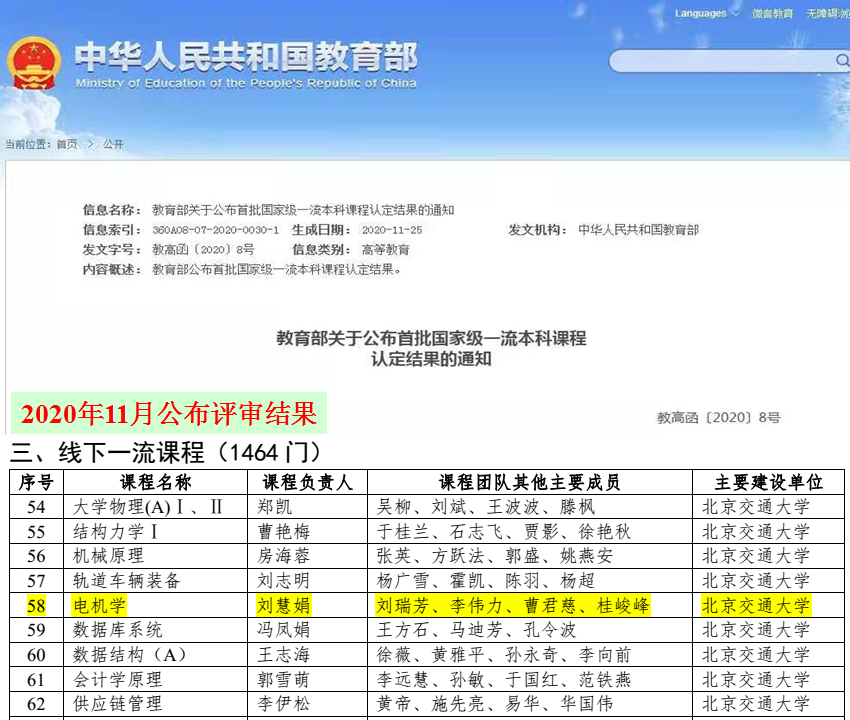
The "Electric Machinery" course is among the first batch of National First-Class Undergraduate Courses (offline) recognized by the Ministry of Education.
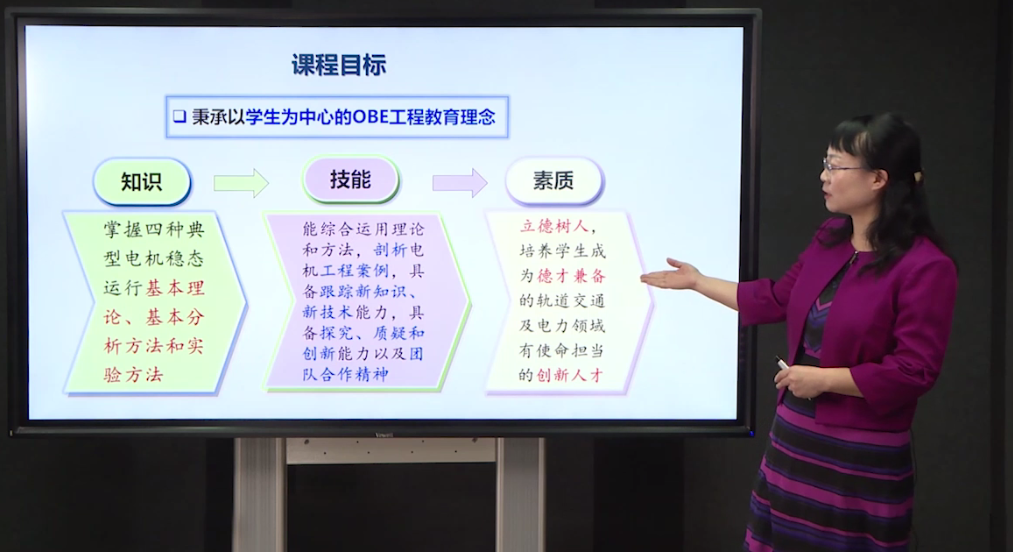
As a core professional course for junior undergraduates majoring in Electrical Engineering and Automation, this course adheres to the student-centered OBE engineering education concept and insists on the organic integration of knowledge, ability and quality. It not only trains students to master the basic theories, calculation and analysis methods, experimental methods of steady-state operation of four typical motors (DC motors, transformers, induction motors, synchronous motors) and methods to solve general engineering problems, laying the necessary theoretical foundation for subsequent professional courses; but also enables students to understand the frontier development of electrical engineering and have the ability to track and learn new knowledge and technologies. In the process of participating in electrical machinery research, students can comprehensively apply theoretical knowledge to conduct in-depth analysis, bold questioning and innovative exploration of encountered electrical engineering problems, fostering their ability to explore issues, rigorous logical thinking and innovation. It lays the necessary technical foundation in electric drive and power generation engineering for students to become technical backbones with both moral integrity and professional competence in the fields of rail transit and power engineering.
The course has formed a teaching model from physical models, physical models, mathematical models to engineering applications. It fully explores the internal connections between the frontier development of electrical machinery, scientific research achievements and teaching content, and cultivates students' ability to track new technologies and solve engineering problems through case teaching. In teaching practice, it aims to "stimulate students' learning interest, promote the mastery of key knowledge and cultivate learning ability", realizing the transformation from "teacher-centered" to "student-centered" and from "knowledge transmission" to "ability training" in teaching design. The course team compiled and published China's first bilingual (English-Chinese) textbook "Electric Machinery" and designed the "Guidance Book for Inquiry-Based Teaching Training Carriers of Electric Machinery Course". It has been offered consecutively for 6 sessions on China University MOOC.
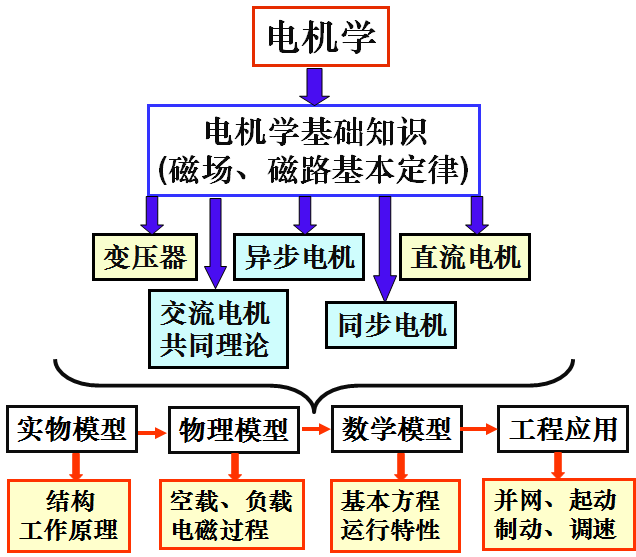
Knowledge Structure Diagram of Electric Machinery
The course team consists of 10 members (including 3 professors, 2 associate professors and 1 university-level distinguished teacher), spanning three generations. Senior professors control the course design, while young teachers practice earnestly, ensuring the sustainability of course construction. Approximately 330 students take the compulsory "Electric Machinery" course every year.
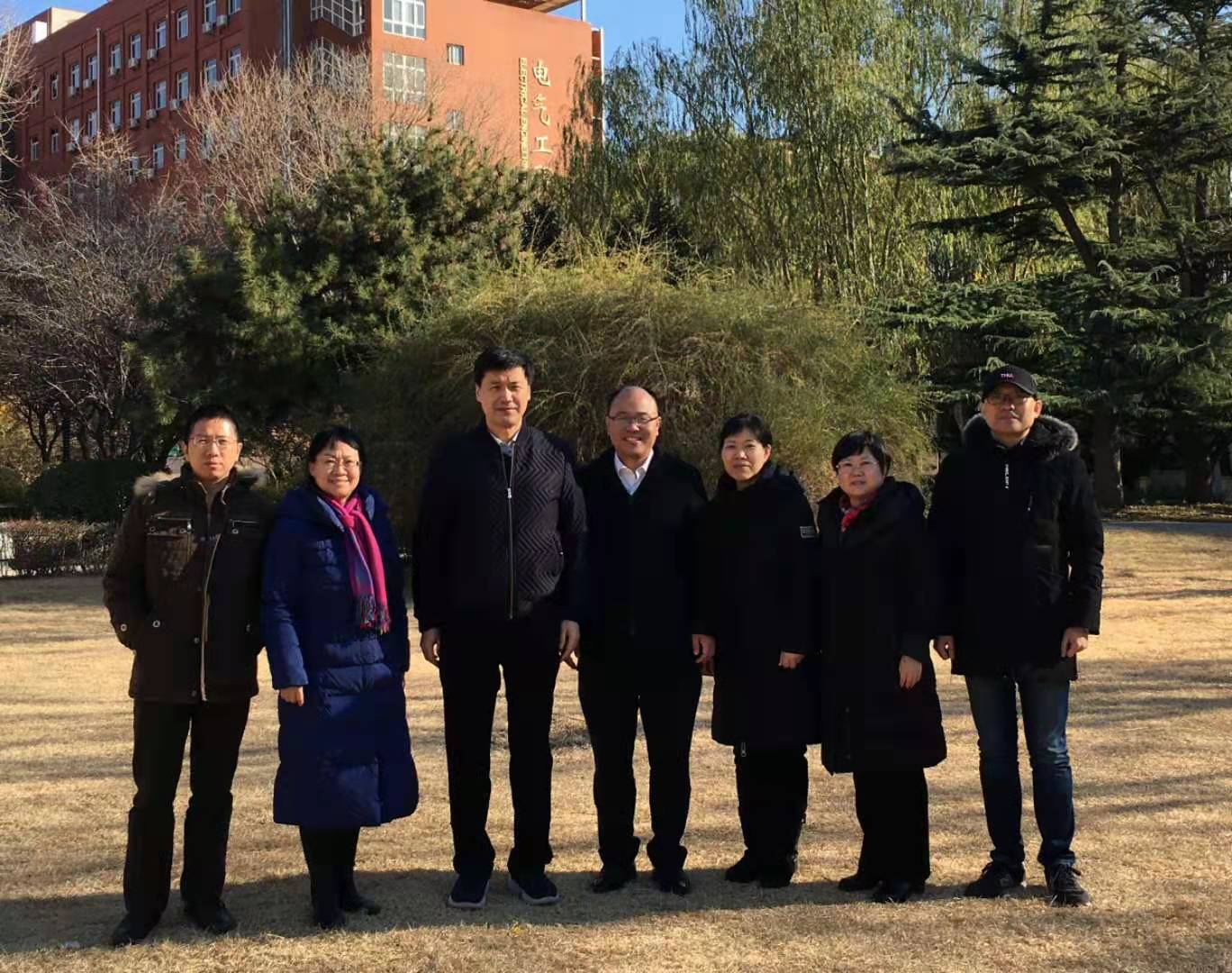
Partial Members of the Course Team
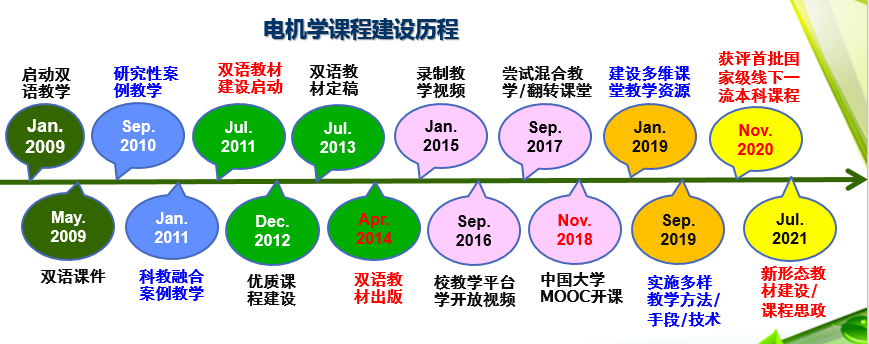
Construction History of the Electric Machinery Course in the Past 10 Years
II. Course Features
1. Optimized Course System with In-depth Integration of Teaching and Scientific Research
Adhering to the student-centered OBE engineering education concept and based on the theory of knowledge construction, the course systematically sorts out traditional electric machinery content (DC motors, transformers, induction motors, synchronous motors), forming a cognitive model from physical models, physical models, mathematical models to engineering applications. It fully explores the internal connections between the frontier development of electrical machinery, scientific research achievements (applications of various new motors in rail transit and power fields) and teaching content, and cultivates students' ability to track new technologies and analyze and solve engineering problems through inquiry-based case teaching.
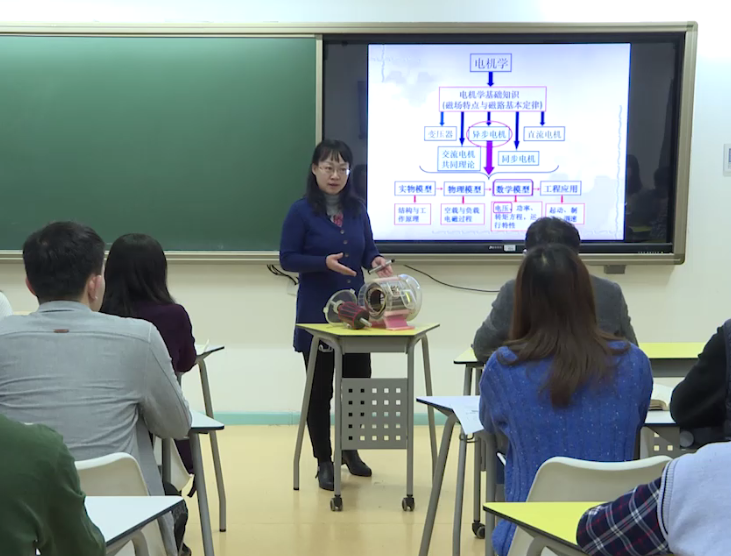
2. Scientific Teaching Plan to Enhance Teaching Effect
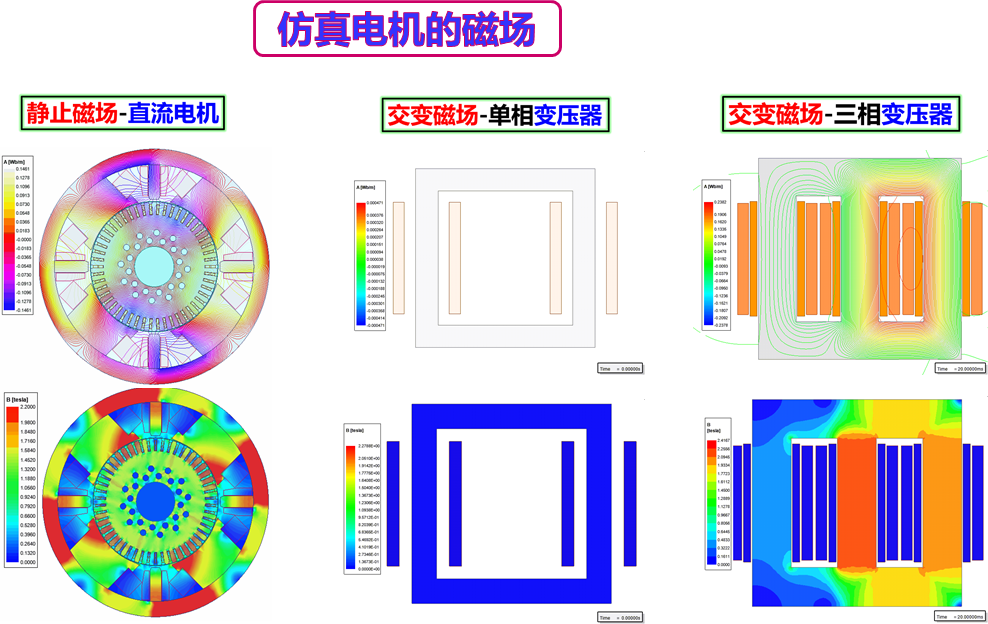
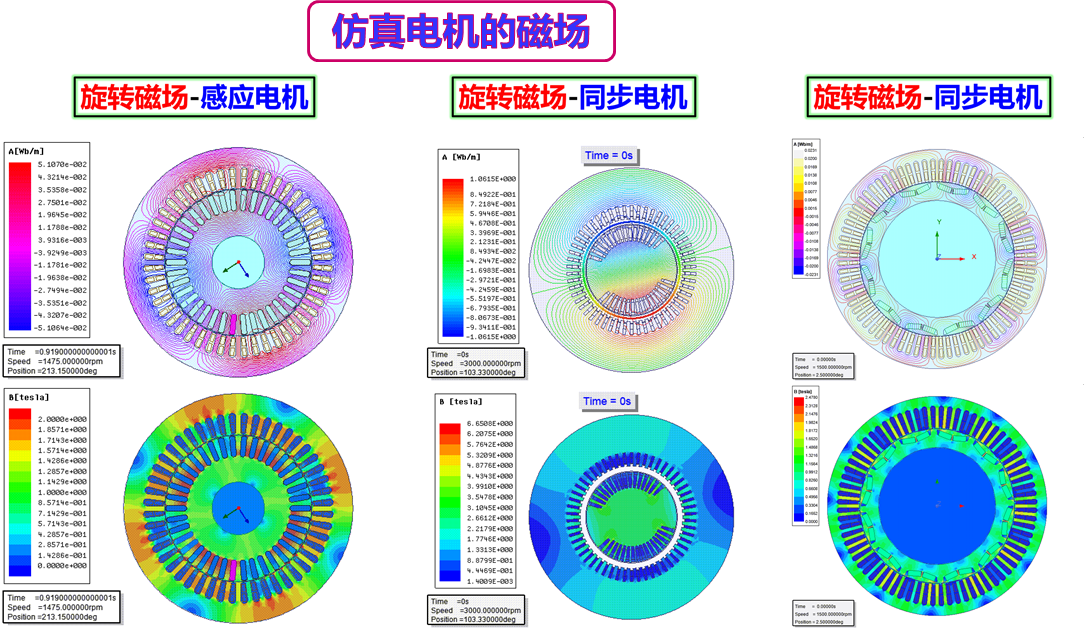
The course team designs teaching plans centered on students, flexibly using various teaching methods (inquiry-based learning, BOPPPS teaching, peer teaching, mind mapping, etc.) and modern information technologies (Rain Classroom, smart classrooms, etc.). It opens electrical machinery laboratories, displays disassembled motors and simulation models, visualizing abstract content such as motor structure and magnetic fields. This allows students to participate in the electric machinery teaching process from multiple dimensions and levels, enhancing teaching effectiveness.
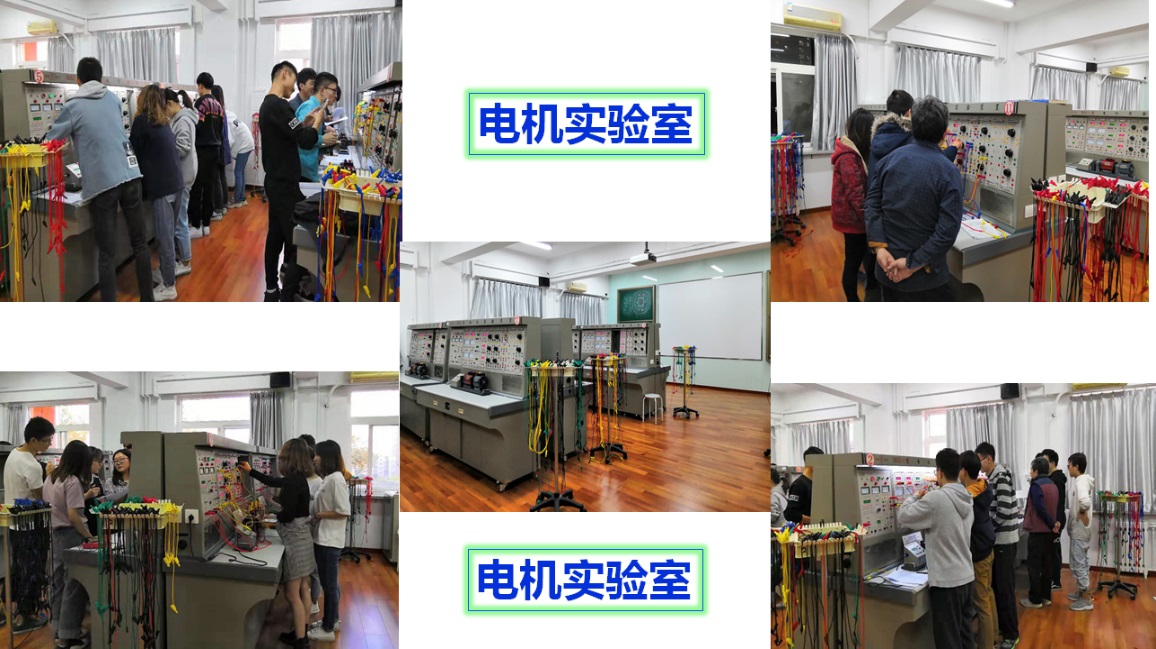
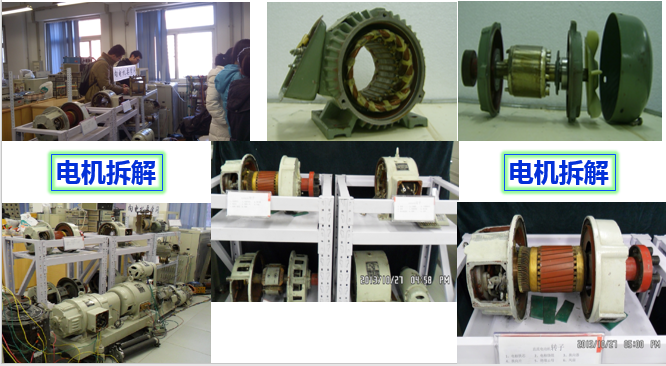
3. Rich Course Resources to Support Teaching Implementation
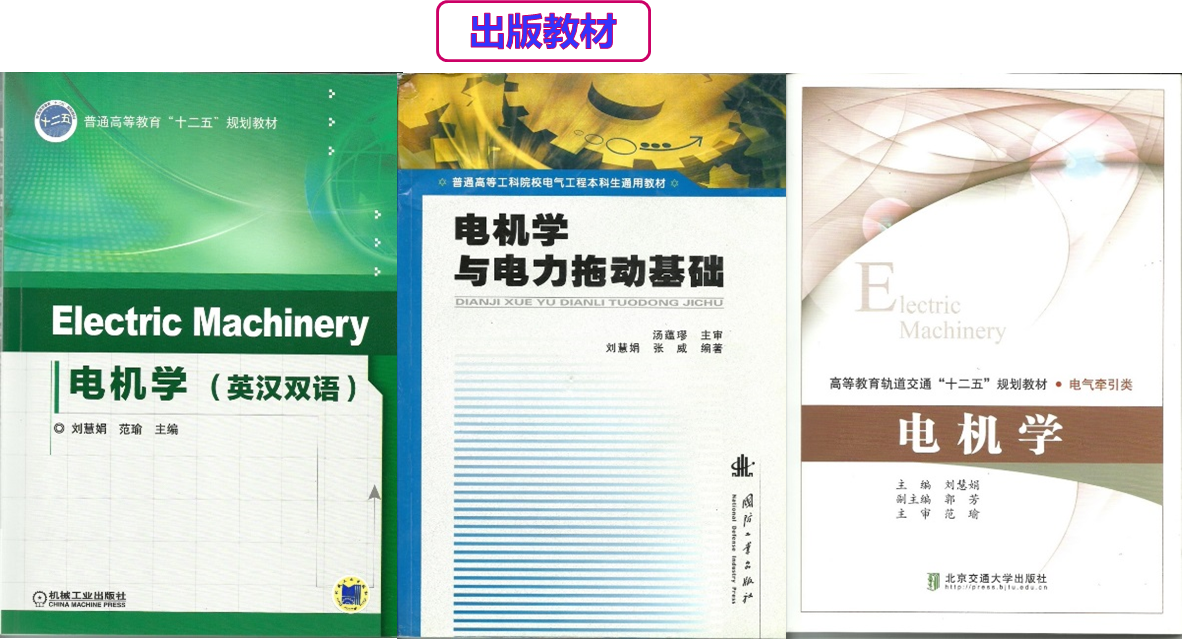
In 2014, the course team compiled and published China's first bilingual (English-Chinese) textbook "Electric Machinery", which has been highly recognized by peers at home and abroad and played a radiating and exemplary role.
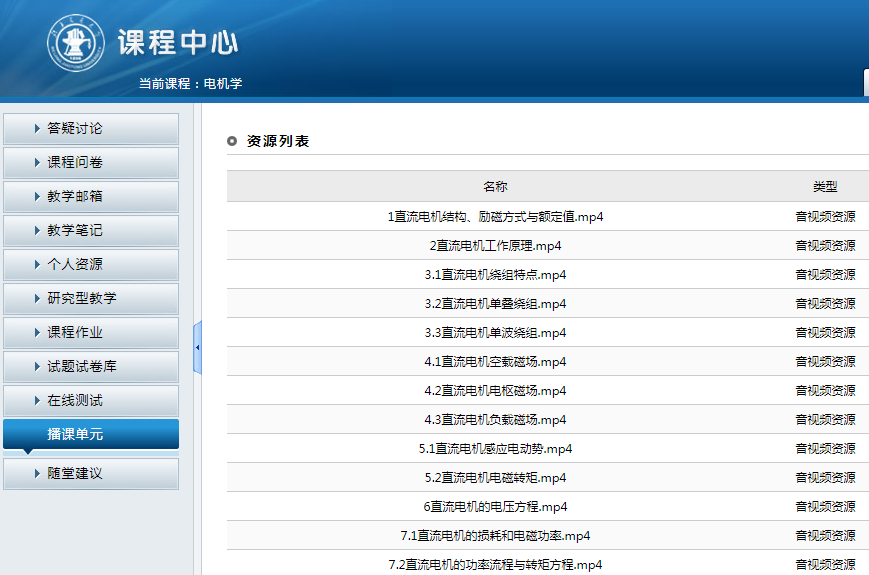
In 2015, it recorded teaching videos of key knowledge points, collected micro-videos related to electrical machinery, and uploaded them to the university's course platform for students to choose from. Since 2018, it has been offered for 6 sessions on China University MOOC, with MOOC test scores of on-campus students included in the usual grades.
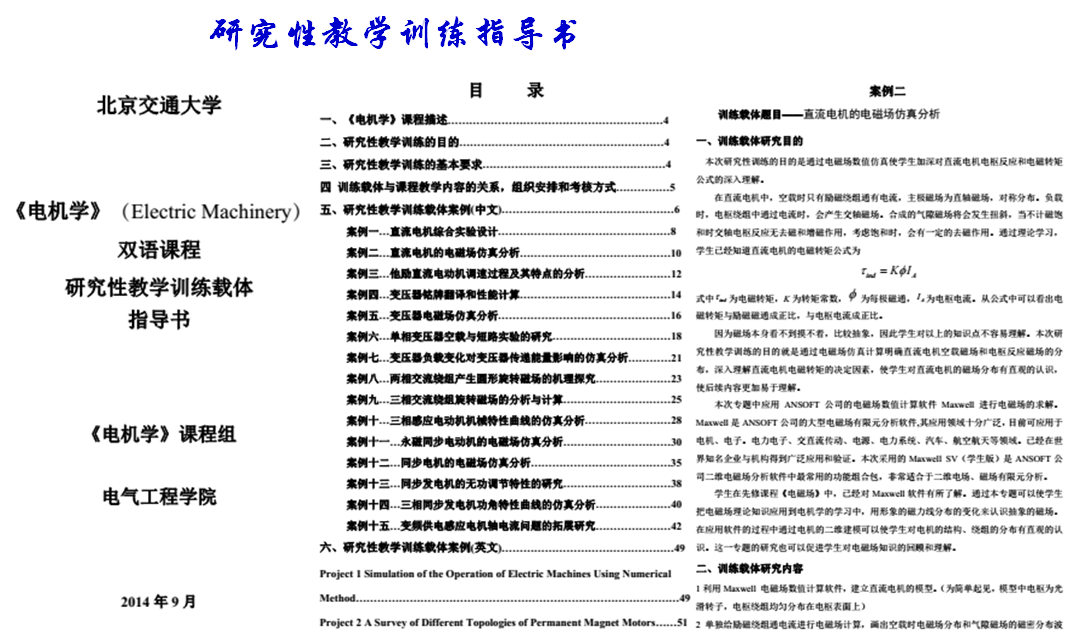
Since 2009, the course team has revised and compiled the "Guidance Book for Inquiry-Based Teaching Training Carriers of Electric Machinery Course" year by year (15 Chinese cases and 8 English cases), ensuring the smooth implementation of case teaching.

III. Organization and Implementation of Course Teaching Content
Centered on students, the course team optimizes teaching design, organically integrating various teaching methods (inquiry-based, case-based, mind mapping, BOPPPS, etc.), modern information technologies (Rain Classroom, smart classrooms, etc.) and various teaching resources, allowing students to participate in the electric machinery teaching process and enhancing teaching effect.
(1) Propose Inquiry Questions to Stimulate Learning Interest
In addition to explaining the basic principles and methods of the four typical motors, it also puts forward inquiry questions from engineering applications, guiding students to think and analyze, and cultivating their ability to analyze and solve engineering problems. For example, aiming at high-speed rail operation, it raises inquiry questions such as: "What is the power source of the train? What devices can be used as the power source? What kind of circuit and magnetic field does the device have? How to obtain and analyze the required magnetic field?"
(2) Train Logical Thinking to Promote Content Mastery
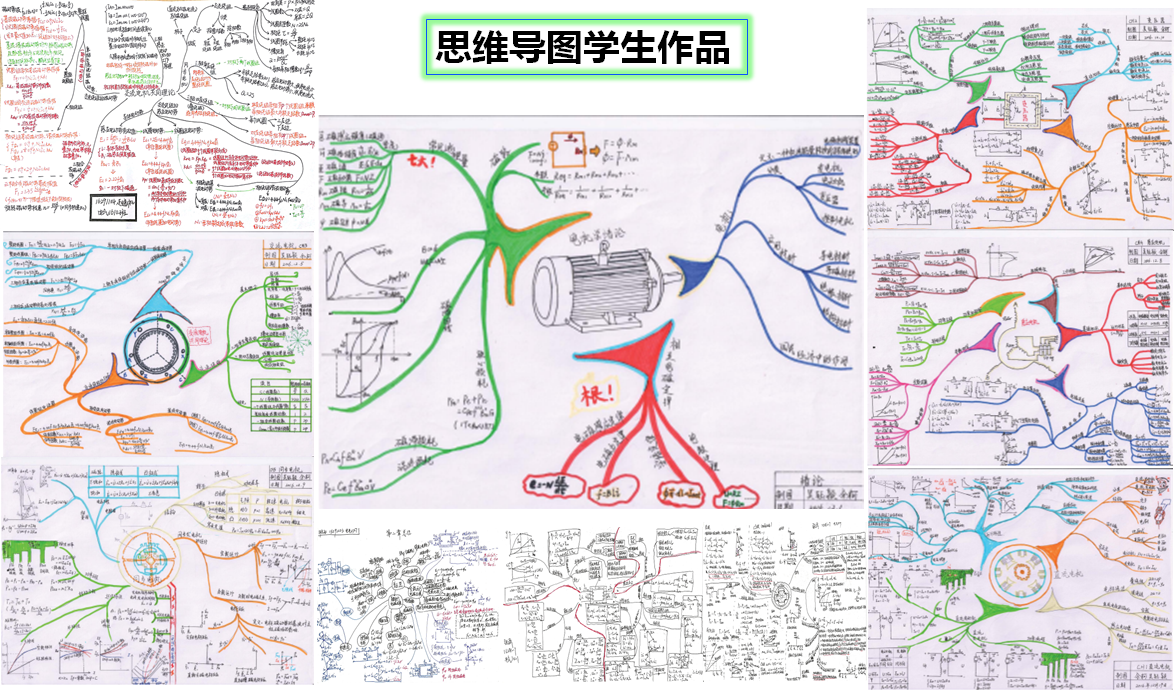
Students are trained to summarize the analysis ideas of each motor (physical model, physical model, mathematical model and engineering application) as well as the commonalities and characteristics of the four motors in the form of mind maps.
(3) In-depth Integration of Teaching and Scientific Research to Improve Learning Ability
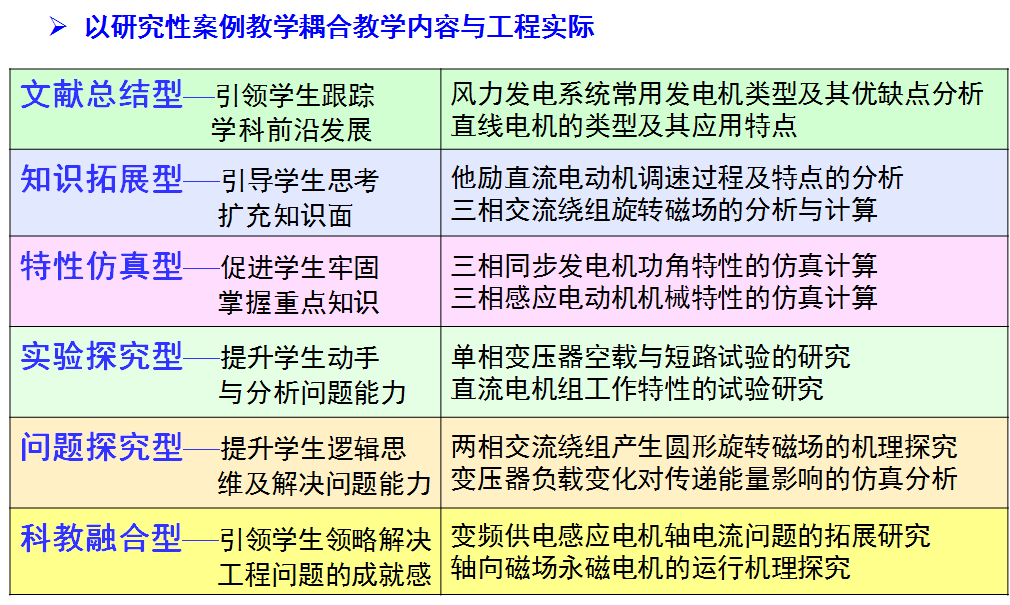
The frontier of electrical machinery engineering and scientific research achievements are introduced into the classroom, allowing students to understand the application prospects of electrical machinery and cultivating their ability to track new technologies. Students are also grouped reasonably according to their characteristics, and inquiry-based case teaching (literature summary, knowledge expansion, characteristic simulation, experimental exploration, problem inquiry, integration of teaching and scientific research) is adopted to guide students to discuss and experience the electrical machinery research process, fostering their independent learning ability, innovation ability and teamwork spirit.
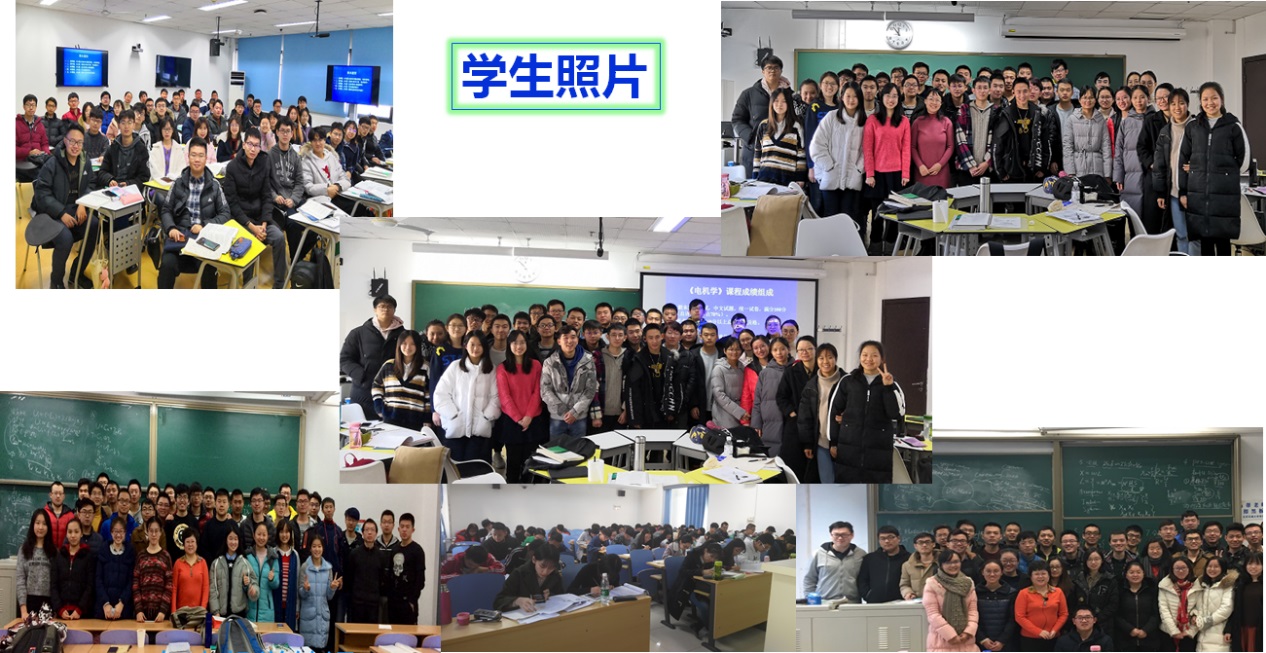
Photos of Students in Class
IV. Course Evaluation and Reform Effects
(1) Excellent Teaching Evaluation and Enhanced Teaching Effect
The evaluation of the "Electric Machinery" course includes self-evaluation and external evaluation by the course team.
Self-evaluation by the course team: After each round of teaching, the course team conducts an analysis of the achievement of course objectives based on students' scores, and carries out process evaluation of the course based on students' process learning. It summarizes the advantages and disadvantages in teaching implementation, and collectively discusses and formulates improvement measures and plans to enhance teaching effect. In addition, the course team conducts student questionnaires in the first week, fourth week and at the end of the semester to understand students' learning status and needs, and makes timely adjustments in teaching to enhance teaching effect.
External evaluation of the course: It includes classroom observation evaluations by university/college supervisors, student questionnaires organized by the Teaching Affairs Office at the end of the semester, online student evaluations organized by the university, and mid-term student feedback organized by the Teacher Development Center.
Student teaching evaluations in the past 5 years have all been good. The course team collectively analyzes various teaching evaluation results, formulates improvement measures, and continuously improves teaching effect.
(2) Innovative Teaching Reform Papers and Leading Bilingual Textbook
Teaching and learning promote each other. Teachers of the course team summarize teaching experience, publish China's first bilingual textbook, publish 2 English teaching reform papers indexed by SCI, and win 6 university-level teaching achievement awards.
(3) Exemplary Bilingual Teaching and Effective Case Teaching
After completing the first round of bilingual and case teaching, the course team shared practical experience in the college, promoting the teaching reform of other core courses and playing an exemplary role.
Professor Fan Yu gave a special lecture "Reform of Electrical Engineering Education at Beijing Jiaotong University" at the "2012 International Conference on Electrical Engineering" held in Japan, which received great attention and recognition from peers.
Professor Liu Huijuan gave a keynote report "Practical Sharing of Effective Teaching Cases in Electric Machinery" at the 8th National College Teachers' Seminar on Electrical Engineering Series Courses in 2019, which was highly recognized by peers.
V. Course MOOC Link
http://www.icourse163.org/course/NJTU-1003243003


