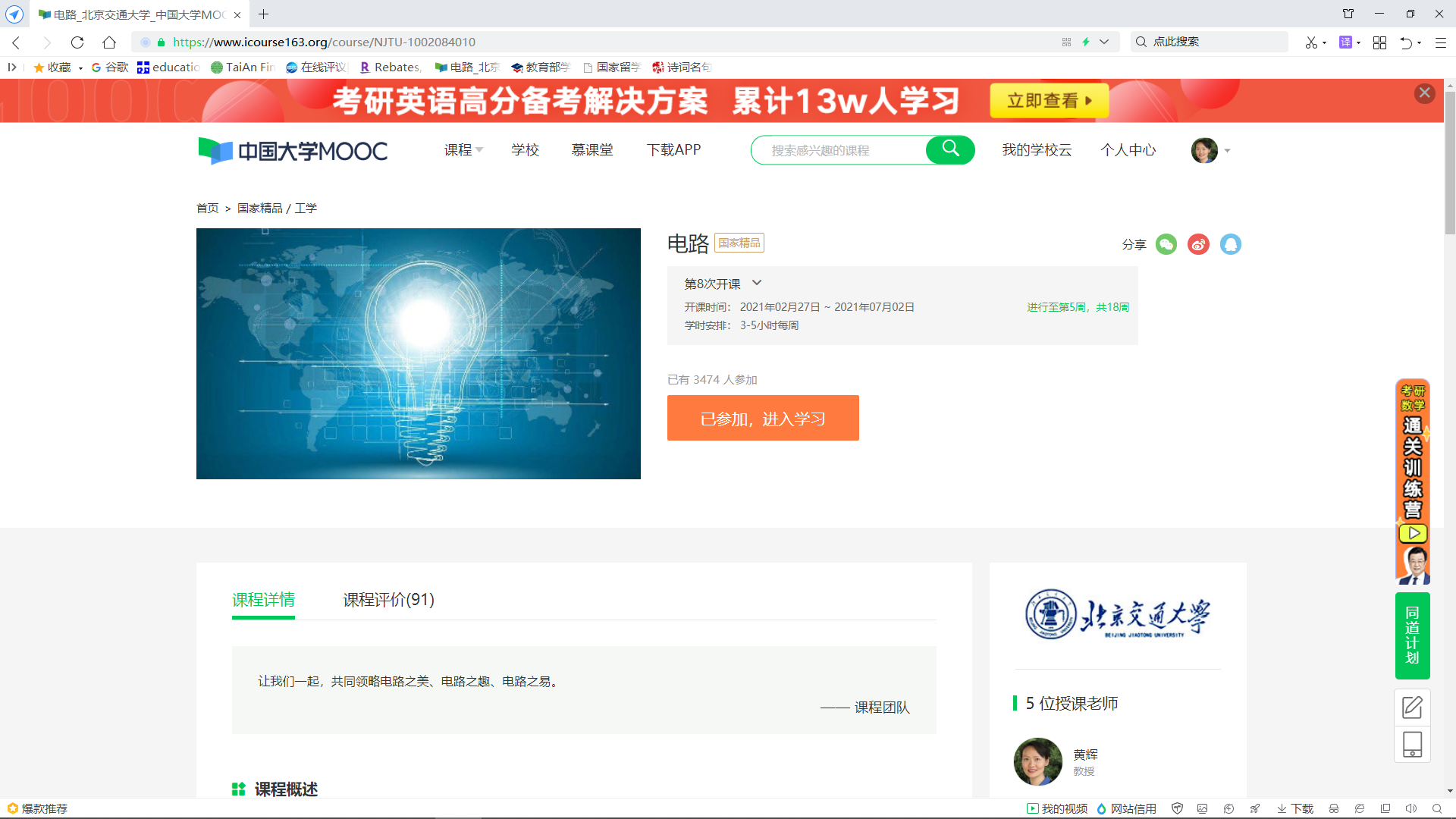
The "Circuit" course was rated as a "National Excellent Online Open Course" in 2018 and one of the first batch of National First-Class Online Courses in 2020.
As a compulsory and the first professional basic course for Electrical Engineering and Automation majors, it can also serve as a general education course for science and engineering disciplines. This course helps students master the basic concepts, theories and calculation methods of circuits, laying a solid foundation for subsequent electrical-related courses and professional work. The course is divided into four parts:
DC Circuit Part: Basic concepts and methods of circuit analysis.
AC Circuit Part: Phasor method, sinusoidal steady-state circuits, circuits with coupled inductors and three-phase circuit analysis.
Transient Part: Time-domain and complex frequency-domain analysis of dynamic circuits.
Modern Circuit Part: Matrix form of circuit equations and nonlinear circuits.
The course is suitable for on-campus electrical majors for self-study or review, for teachers as auxiliary materials for blended teaching, and for social learners.
The "Circuit" course was rated as a "National Excellent Online Open Course" in 2018 and became one of the first batch of National First-Class Online Courses.
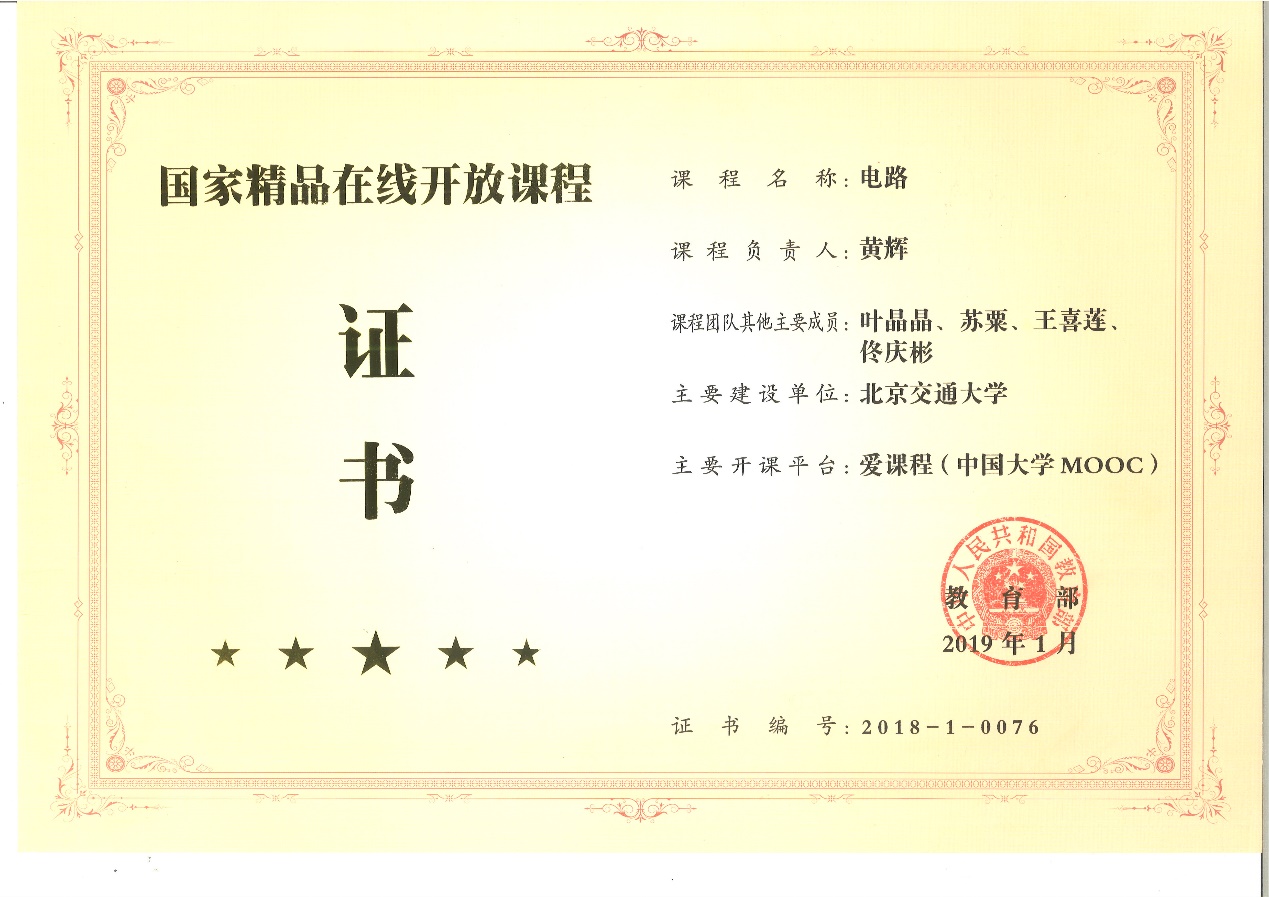
The "Circuit" course was rated as a "National Excellent Online Open Course" in 2018 and became one of the first batch of National First-Class Online Courses.
II. Course Features
(1) Scientific Knowledge System
Centered on students, the course integrates teaching content, fully explores the internal logical relationships between knowledge points, and reconstructs the course knowledge system. For example, the teaching sequence is adjusted to cover transient analysis after sinusoidal steady-state analysis, helping students transition from solving particular solutions to general solutions of differential equations.
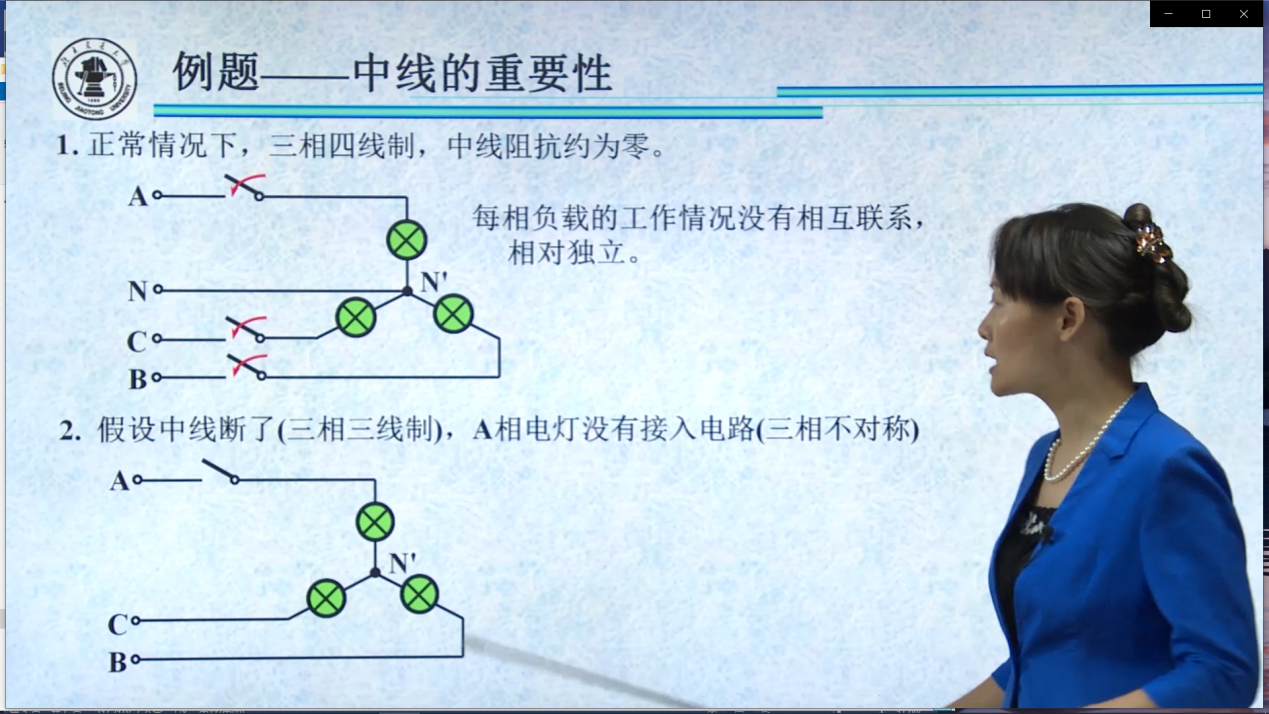
It actively transforms teaching and research achievements into teaching resources, emphasizing the connection between theory and engineering practice. For instance, in the lecture on unsymmetrical three-phase circuits (Lecture 4 of Chapter 8), practical cases of different three-phase circuit faults are combined to explain the calculation of unsymmetrical three-phase circuits, enhancing students' ability to analyze and solve complex engineering problems.
(2) Refined Teaching Design with Diversified Teaching Methods
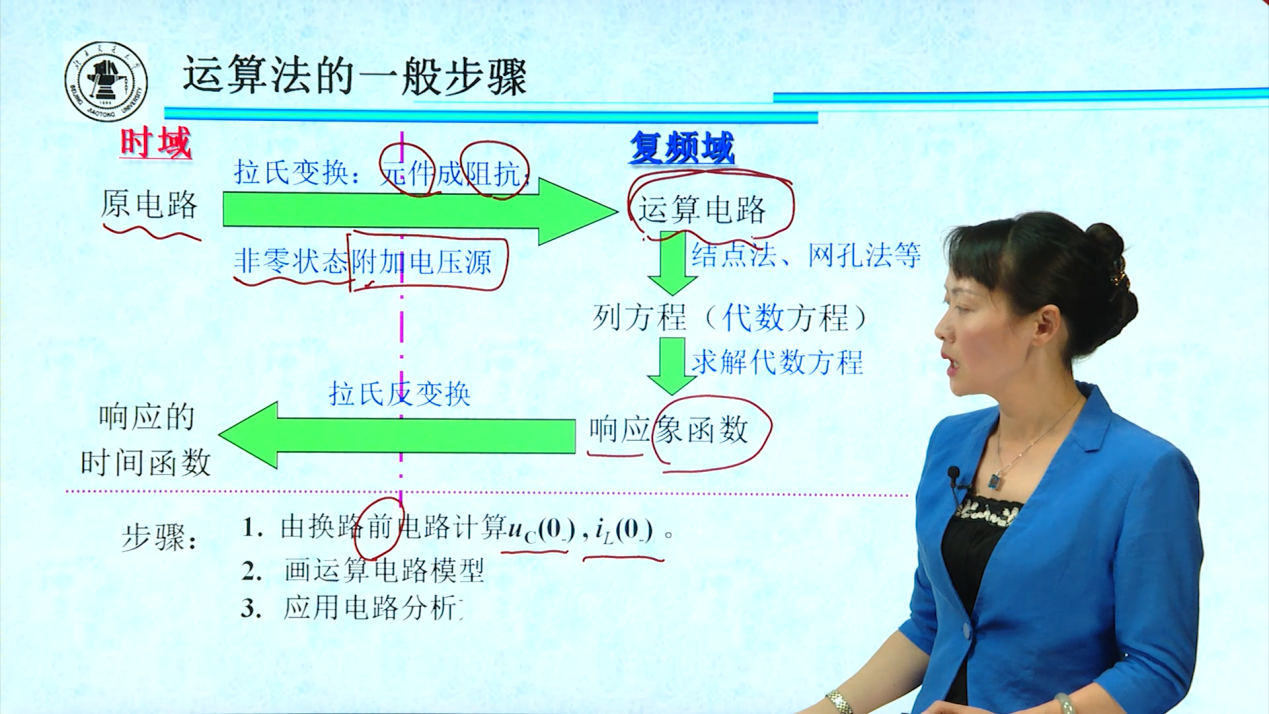
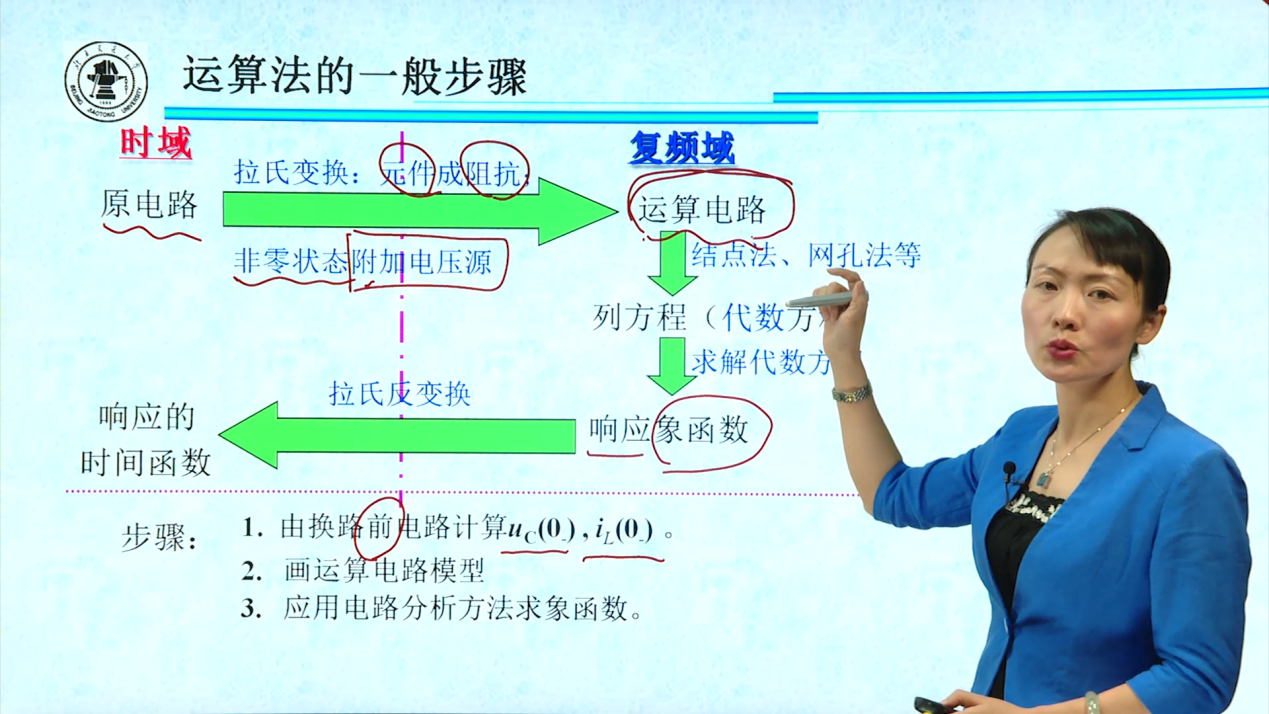
Based on teaching objectives, students' characteristics, and key and difficult teaching points, appropriate teaching plans are formulated. The teaching methods are innovative and diverse, subtly integrating the spirit of scientific exploration into the teaching content. For example, using the phasor method to solve sinusoidal steady-state responses and the operational method, the course conducts in-depth exploration step by step from "proposing" to "analyzing" and then "solving" problems. It focuses on cultivating students' thinking modes of analyzing and solving problems, transforming knowledge indoctrination into ability training.
(3) Vivid Teaching Presentation with Visualized Internal Connections of Knowledge Points
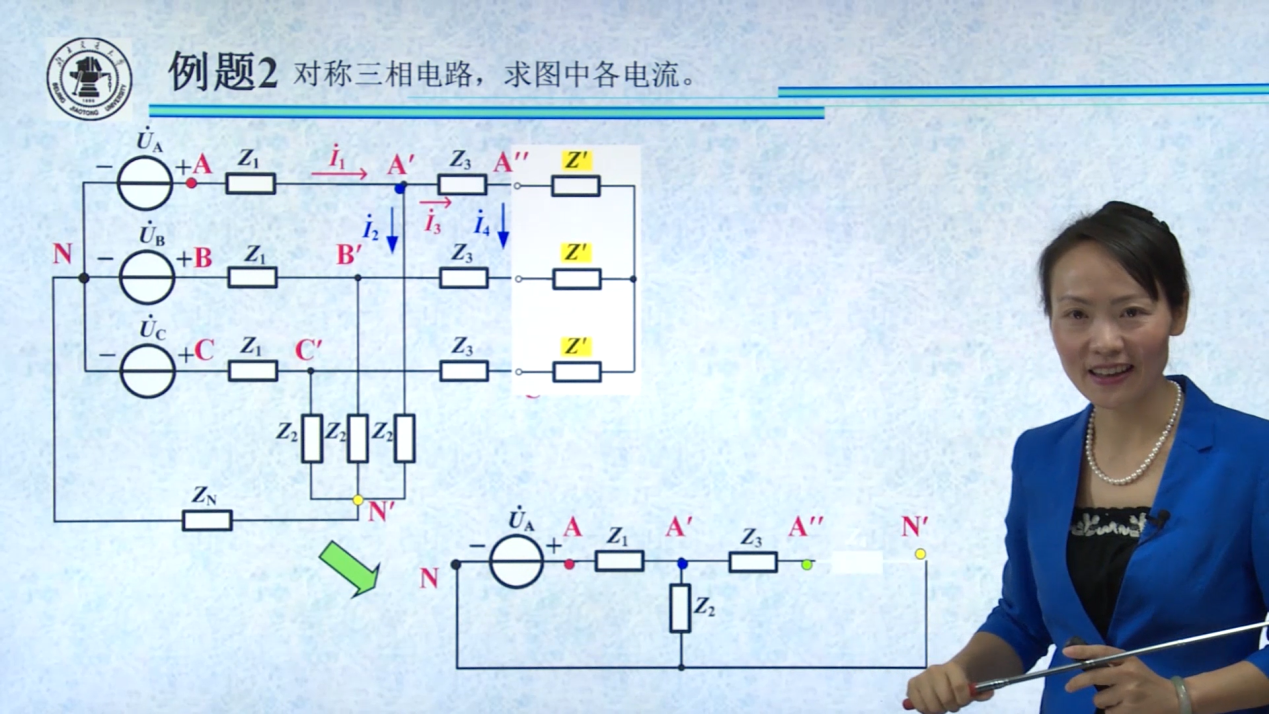
Making full use of modern information technology, it organically combines with course content and teaching insights to vitalize relatively boring content and visualize the internal connections of knowledge points. For example, the calculation of symmetrical three-phase circuits (Lecture 3 of Chapter 8) is summarized as "finding nodes", and the thinking of the phasor method is visualized through graphic animations (Lecture 3 of Chapter 6), facilitating students' understanding and mastery of knowledge points.
III. Teaching Effect
1. Application in the University
Since its first launch on October 17, 2017, the course has adopted blended teaching combining classroom lectures and MOOC in multiple teaching classes, achieving excellent results.
Overall, MOOC serves as a powerful supplement to classroom teaching, helping students make up for gaps in knowledge. It also stimulates students' learning autonomy, exercises their ability to explore knowledge, and improves their ability to connect theory with practice and solve engineering problems.
2. Application among Social Learners
From October 2017 to March 2021, the course has been offered for 8 consecutive semesters, with a total of more than 33,000 registrations.
Student reviews:
"This course is truly the cream of the crop—you'll know it once you watch it."
"Super great! The teachers are approachable and have pleasant voices. I really love this course!"
"I really like Teacher Huang Hui. The lectures are excellent, helping me go from a underachiever to a top student."
"I finally figured out problems that I've been thinking about for a long time."
"The course content is rich and substantial, the arrangement is reasonable, and the teaching method is easy to understand."
"The teaching content is explained in a simple and in-depth way, concepts are clearly presented, and the difficulty is well-controlled. Highly recommended!"
3. Application in Other Universities
This Circuit MOOC is favored by teachers and students from other universities due to its concise teaching content, prominent key points, in-depth and easy-to-understand explanations, good connection between previous and subsequent knowledge, and a combination of scientificity and popularity.
According to data from the China University MOOC website, 437 students from 144 other universities participated in the first launch, and 489 students from 139 other universities participated in the second launch. These universities include many "211" and "985" institutions such as Zhejiang University, Harbin Institute of Technology, Shandong University, Southeast University, Southwest Jiaotong University, Fuzhou University, University of Science and Technology Beijing, Nanjing University of Posts and Telecommunications, Nanjing University of Science and Technology, University of Electronic Science and Technology of China, and Central South University, as well as three foreign universities: Kaiserslautern University, University of New South Wales, and Ludwig-Maximilians-Universität München.
The teaching team consists of 9 members spanning three generations. Senior professors with years of experience accurately control the course design and the difficulty of test questions. Young teachers give full play to the characteristics of network technology and strong interactivity. The reasonable team structure ensures the sustainability and continuity of course construction.
IV. Recommendations from Peers

The "Circuit" MOOC taught by Huang Hui from Beijing Jiaotong University has the following characteristics:
Comprehensive coverage of knowledge points, including basic theories, AC steady-state, transient processes, and modern theories, covering the main basic knowledge points of the circuit course.
The lecturer, Huang Hui, has 20 years of experience in circuit teaching (winning the first prize in the Circuit Group of the 2nd National College Young Teachers' Teaching Competition for Circuit, Signal and System, and Electromagnetic Field Courses, and the first prize in the Beijing Teaching Basic Skills Competition). He has an accurate understanding of the teaching content with his own insights and perceptions, and his explanations are in-depth and easy to understand. The PPT design is concise, clear, and logically strong.
The teaching video presentation form is reasonable, with good picture and sound quality.
The supporting exercises and tests are reasonable, progressing from easy to difficult, and can effectively assess students' mastery of knowledge.
V. Course Link
https://www.icourse163.org/course/NJTU-1002084010